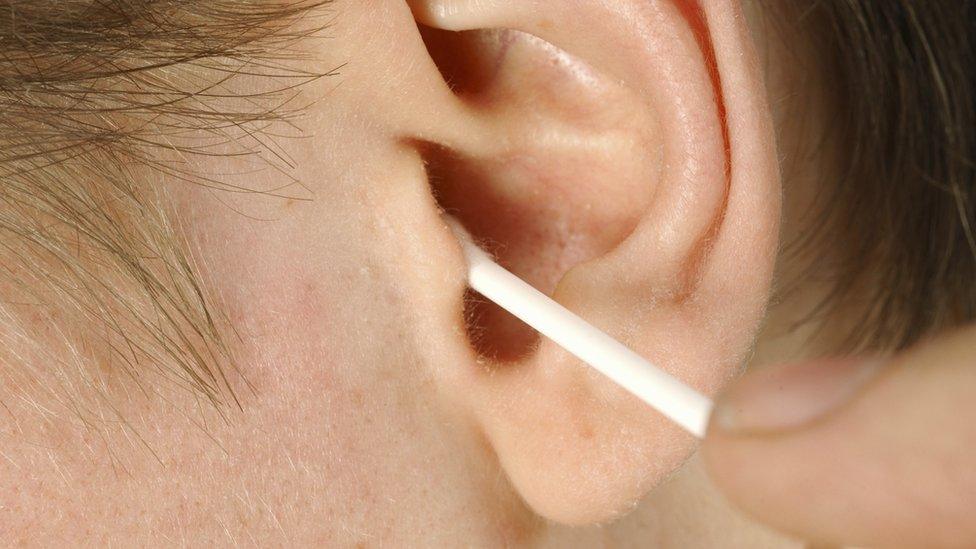
Introduction To Ear Syringing
Ear syringing is a common method used to ear syringing excess earwax from the ear canal. Many people experience blocked ears at some point in life, often due to a buildup of wax. This can lead to discomfort, reduced hearing, ringing sounds, or a feeling of fullness in the ear. Ear syringing helps clear the blockage safely when done correctly and at the right time. This article explains ear syringing in simple words so anyone can understand what it is, how it works, and when it may be needed.
What Is Ear Syringing
Ear syringing is a procedure where warm water is gently flushed into the ear canal to remove softened earwax. The water pressure pushes the wax out of the ear without damaging the ear structures. This method has been used for many years and is still practiced in some clinics today. It is usually performed by a trained healthcare professional to reduce the risk of injury.
Why Earwax Builds Up
Earwax is a natural substance made by the body to protect the ear. It traps dust, dirt, and small particles, preventing them from reaching the inner ear. Normally, earwax moves out of the ear on its own. However, some people produce more wax than others, or their ear canals may be narrow. Using cotton buds, earphones, or hearing aids can push wax deeper inside, causing buildup and blockage.
Common Signs Of Earwax Blockage
When earwax becomes impacted, it may cause several symptoms. These include reduced hearing, earache, dizziness, ringing in the ears, itching, or a blocked sensation. Some people may also experience mild headaches or balance problems. If these symptoms continue, ear syringing or another wax removal method may be recommended.
How Ear Syringing Is Done
Before ear syringing, earwax is usually softened using special ear drops or oils for a few days. This makes removal easier and safer. During the procedure, the person sits upright while warm water is gently squirted into the ear using a syringe or electronic device. The water flows back out, carrying wax with it. The process may be repeated until the ear canal is clear.
Is Ear Syringing Safe
When performed correctly, ear syringing is generally safe. However, it must not be done in certain situations. People with ear infections, perforated eardrums, ear surgery history, or severe pain should avoid syringing. Incorrect pressure or temperature can cause dizziness or damage. This is why professional assessment is important before the procedure.
Alternatives To Ear Syringing
In recent years, other earwax removal methods have become more popular. Microsuction is one alternative, using gentle suction to remove wax under direct vision. Manual removal with special instruments is another option. These methods may be safer for some individuals and are often quicker. However, ear syringing is still used in some settings where other equipment is not available.
Benefits Of Ear Syringing
Ear syringing can quickly improve hearing and comfort by removing blocked wax. Many people feel immediate relief after the procedure. It is non-surgical, does not require anesthesia, and usually takes only a few minutes. For suitable patients, it can be an effective solution to earwax problems.
Possible Side Effects
Some people may experience mild side effects after ear syringing. These can include temporary dizziness, slight discomfort, or a watery feeling in the ear. Rarely, irritation or infection may occur. Drinking water and resting for a short time usually helps if dizziness occurs. Any ongoing pain or discharge should be checked by a professional.
Who Should Avoid Ear Syringing
Ear syringing is not suitable for everyone. Children, elderly individuals, and people with sensitive ears may need extra care. Anyone with ear tubes, previous ear surgery, or known eardrum damage should avoid this method. Always seek medical advice before deciding on ear syringing.
Tips For Preventing Earwax Buildup
Avoid inserting objects into the ear, including cotton buds. Clean only the outer ear with a damp cloth. If you are prone to wax buildup, occasional use of softening drops may help. Regular check-ups can also prevent severe blockages and reduce the need for procedures.
Final Thoughts On Ear Syringing
Ear syringing can be a helpful solution for earwax blockage when done safely and correctly. Understanding the process, benefits, and risks allows people to make informed decisions about their ear health. While it may not be suitable for everyone, it remains an option for many when guided by professional advice. Taking care of your ears can improve comfort, hearing, and overall well-being.